
Grocery & Household Expense Tracker: Take Control of Your Spending
Managing household finances can feel overwhelming, especially when it comes to recurring expenses like groceries and household items. These seemingly small purchases add up quickly, making it difficult to track where your money is going and identify areas where you can save. An expense tracker specifically designed for groceries and household supplies can be a game-changer, providing valuable insights into your spending habits and empowering you to make informed financial decisions.
Why Track Grocery & Household Expenses?
- Gain Awareness: The first step to controlling your spending is understanding where your money is going. Tracking expenses reveals patterns and highlights areas where you might be overspending without realizing it.
- Budgeting Made Easier: Knowing your average monthly expenditure on groceries and household items allows you to create a realistic and effective budget. You can allocate specific amounts to these categories and monitor your progress.
- Identify Wasteful Spending: Are you buying items you don’t need or letting food expire? Tracking helps you identify these wasteful habits and adjust your purchasing behavior.
- Find Savings Opportunities: By analyzing your spending, you can identify opportunities to save money. This might involve switching to cheaper brands, utilizing coupons, or reducing impulse purchases.
- Achieve Financial Goals: Ultimately, tracking expenses is about achieving your financial goals, whether it’s paying off debt, saving for a down payment, or simply having more financial freedom.
Methods for Tracking Grocery & Household Expenses
Several methods can be used to track your grocery and household expenses, each with its own advantages and disadvantages:
1. Manual Tracking with a Notebook or Spreadsheet
This is the most basic method, requiring only a notebook, pen, or a spreadsheet program like Microsoft Excel or Google Sheets. Every time you make a purchase, you record the date, item, store, and amount spent.
Pros:
- Simple and inexpensive to set up.
- Offers complete control over your data.
- Doesn’t require internet access or specialized software.
Cons:
- Time-consuming and requires manual data entry.
- Prone to errors and omissions.
- Difficult to analyze data and generate reports.
- Can be inconvenient to carry a notebook everywhere.
Tips for Manual Tracking:
- Keep your notebook or spreadsheet organized with clear headings and columns.
- Record expenses immediately after making a purchase to avoid forgetting.
- Categorize your expenses for better analysis (e.g., groceries, cleaning supplies, personal care).
- Regularly review your data to identify trends and areas for improvement.
2. Dedicated Expense Tracking Apps
Numerous expense tracking apps are available for smartphones and tablets, offering a convenient and feature-rich way to manage your finances. These apps often allow you to manually enter expenses, scan receipts, and connect to your bank accounts for automatic transaction importing.
Pros:
- Convenient and accessible on your mobile device.
- Offer features like receipt scanning, budgeting tools, and reporting.
- Can automatically import transactions from bank accounts.
- Many apps are free or offer a free trial.
Cons:
- Requires a smartphone or tablet and internet access.
- Some apps may require a subscription fee for full functionality.
- Privacy concerns related to sharing financial data with a third-party app.
- Potential for data breaches.
Popular Expense Tracking Apps:
- Mint: A popular free app that tracks all aspects of your finances, including groceries and household expenses.
- YNAB (You Need A Budget): A subscription-based app that focuses on budgeting and helping you gain control of your money.
- Personal Capital: A free app that tracks your net worth, investments, and spending, including grocery and household expenses.
- PocketGuard: A budgeting app that helps you track your spending and stay within your limits.
- EveryDollar: A budgeting app that helps you create a zero-based budget and track your spending.
3. Bank Statements and Credit Card Statements
Your bank and credit card statements provide a record of all your transactions, including grocery and household purchases. You can review these statements to track your spending, but it requires manually sorting and categorizing each transaction.
Pros:
- Provides a comprehensive record of all your transactions.
- Doesn’t require manual data entry (unless you’re categorizing expenses).
- Readily available online or in paper format.
Cons:
- Time-consuming to manually sort and categorize transactions.
- Doesn’t provide real-time tracking.
- May not include detailed information about individual items purchased.
Tips for Using Bank Statements:
- Download your bank and credit card statements regularly.
- Use a spreadsheet or expense tracking app to categorize your transactions.
- Look for patterns and identify areas where you can save money.
Tips for Effective Grocery & Household Expense Tracking
- Be Consistent: Track your expenses regularly, ideally after each purchase, to ensure accuracy and avoid forgetting.
- Categorize Expenses Accurately: Use consistent categories to track your spending effectively. Examples include: Groceries, Cleaning Supplies, Personal Care, Paper Products, and Pet Supplies.
- Include All Expenses: Don’t forget to track small purchases like snacks, coffee, or single-item household supplies. These small expenses can add up significantly over time.
- Review Your Data Regularly: Set aside time each week or month to review your spending and identify trends.
- Set a Budget: Based on your tracking data, create a realistic budget for groceries and household items.
- Track Your Progress: Compare your actual spending to your budget and make adjustments as needed.
- Use Coupons and Discounts: Take advantage of coupons, sales, and loyalty programs to save money on groceries and household items.
- Plan Your Meals: Planning your meals in advance can help you avoid impulse purchases and reduce food waste.
- Shop with a List: Create a shopping list and stick to it to avoid buying unnecessary items.
- Consider Buying in Bulk: Buying non-perishable items in bulk can often save you money in the long run.
- Reduce Food Waste: Practice proper food storage and use leftovers creatively to minimize food waste.
The Benefits of Long-Term Tracking
While setting up an expense tracking system might seem daunting, the long-term benefits are significant. By consistently tracking your grocery and household expenses, you can:
- Develop Healthy Spending Habits: Tracking helps you become more mindful of your spending and develop healthier financial habits.
- Achieve Your Financial Goals Faster: By saving money on groceries and household items, you can allocate more funds to your other financial goals.
- Reduce Financial Stress: Knowing where your money is going and having a budget can reduce financial stress and improve your overall well-being.
- Gain a Better Understanding of Your Finances: Tracking your expenses provides a comprehensive overview of your financial situation, empowering you to make informed decisions.
Conclusion
Tracking grocery and household expenses is a crucial step towards taking control of your finances. Whether you choose to use a simple notebook, a sophisticated expense tracking app, or analyze your bank statements, the key is to be consistent and diligent. By understanding your spending habits, you can identify areas for improvement, create a realistic budget, and achieve your financial goals. Start tracking your expenses today and unlock the power of financial awareness!
 800×1035 grocery expense tracker happy housewife cooking from thehappyhousewife.com
  1140×855 grocery expense tracker printable planner digital planner etsy from www.etsy.com
 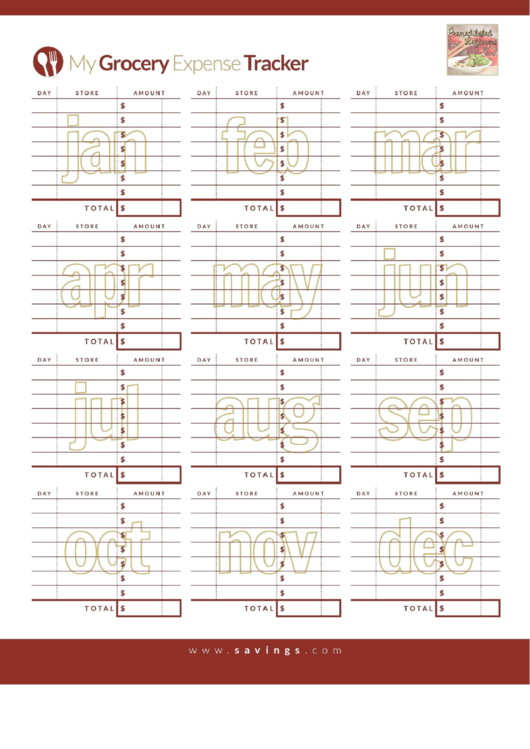 530×749 grocery expense tracker grocery budget spreadsheet printable from www.formsbank.com
  1103×1080 expense tracker instant etsy from www.etsy.com
0 komentar:
Posting Komentar