
Expense Tracker: Your Key to Individual Budgeting Success
Mastering personal finance is a journey, and a crucial component of that journey is diligent budgeting. However, simply wanting to budget doesn’t automatically translate into successful financial management. The key is having the right tools and strategies. An expense tracker is one such tool, offering a powerful way to monitor your spending, identify areas for improvement, and ultimately achieve your financial goals.
Why Track Your Expenses?
Before delving into the specifics of expense trackers, let’s understand why tracking expenses is so vital:
- Awareness is the First Step: You can’t fix what you don’t know. Tracking expenses provides a clear picture of where your money is actually going. Many people are surprised to discover they’re spending significantly more than they realized on things like dining out, impulse purchases, or subscription services.
- Identifies Spending Patterns: By categorizing your expenses, you can pinpoint your biggest spending areas. This allows you to analyze your spending habits and identify areas where you can potentially cut back. Are you spending too much on entertainment? Could you reduce your grocery bill? The data reveals the truth.
- Supports Realistic Budgeting: Creating a budget without knowing your current spending habits is like navigating without a map. Expense tracking provides the necessary data to create a realistic and achievable budget that aligns with your actual income and expenses.
- Helps Achieve Financial Goals: Whether you’re saving for a down payment on a house, paying off debt, or building an emergency fund, tracking your expenses allows you to monitor your progress and stay motivated. Seeing the impact of your budgeting efforts can be incredibly rewarding.
- Early Detection of Financial Problems: Unexpected expenses can arise. Tracking your spending allows you to quickly identify if you’re overspending in a particular month and take corrective action before it leads to debt or compromises your financial stability.
- Informed Financial Decisions: Understanding your spending habits empowers you to make more informed financial decisions. From choosing the right credit card to negotiating better rates on your bills, knowing where your money goes gives you leverage.
Methods of Expense Tracking
There are several ways to track your expenses, each with its own advantages and disadvantages:
- Manual Tracking (Spreadsheets/Notebooks): This is the most basic method, involving recording every expense in a spreadsheet or notebook. While it requires discipline, it offers complete control and doesn’t rely on technology.
- Pros: Free, customizable, fosters detailed awareness.
- Cons: Time-consuming, prone to errors, difficult to analyze data.
- Banking Apps/Websites: Many banks offer built-in expense tracking features that automatically categorize your transactions. This can be a convenient option for a quick overview of your spending.
- Pros: Convenient, automatic categorization, readily available.
- Cons: May not categorize accurately, limited customization, data privacy concerns.
- Dedicated Expense Tracking Apps: A plethora of apps are specifically designed for expense tracking, offering a range of features like automatic transaction import, budgeting tools, and detailed reporting.
- Pros: Feature-rich, automatic transaction import, detailed reporting, budgeting tools.
- Cons: Potential cost, learning curve, data privacy concerns.
Choosing the Right Expense Tracker
Selecting the best expense tracker depends on your individual needs and preferences. Consider the following factors:
- Ease of Use: The tracker should be intuitive and easy to navigate. A complex or confusing interface will discourage you from using it consistently.
- Features: Determine the features that are most important to you. Do you need automatic transaction import? Budgeting tools? Detailed reporting? Make sure the tracker offers the features you need without being overwhelming.
- Cost: Some trackers are free, while others require a subscription. Consider your budget and whether the features offered justify the cost. Free versions often have limitations.
- Security: Protecting your financial data is paramount. Ensure the tracker uses strong encryption and has a robust privacy policy.
- Compatibility: The tracker should be compatible with your devices (e.g., smartphone, computer) and your bank accounts.
- Reviews: Read reviews from other users to get an idea of their experience with the tracker. This can provide valuable insights into its usability and reliability.
Popular Expense Tracking Apps
Here are a few popular expense tracking apps to consider:
- Mint: A free app that offers budgeting, expense tracking, and credit score monitoring. It automatically imports transactions and categorizes them.
- YNAB (You Need a Budget): A paid app that focuses on zero-based budgeting, where every dollar is assigned a purpose.
- Personal Capital: A free app that focuses on investment tracking and net worth calculation, but also offers expense tracking features.
- PocketGuard: An app that helps you track your spending, create budgets, and set savings goals.
- Monarch Money: A paid app with budgeting, expense tracking, and investment tracking, focusing on collaboration features.
Setting Up Your Expense Tracker
Once you’ve chosen an expense tracker, follow these steps to set it up:
- Create an Account: Sign up for an account and create a secure password.
- Connect Your Accounts: Link your bank accounts, credit cards, and other financial accounts to automatically import transactions (if the tracker supports this feature).
- Categorize Your Expenses: Most trackers will automatically categorize your expenses, but you may need to adjust them or create custom categories to fit your specific needs. Common categories include:
- Housing (rent/mortgage, utilities, maintenance)
- Transportation (car payments, gas, public transportation)
- Food (groceries, dining out)
- Entertainment (movies, concerts, subscriptions)
- Personal Care (haircuts, toiletries)
- Healthcare (insurance, doctor visits, prescriptions)
- Debt Payments (credit cards, loans)
- Savings (emergency fund, retirement)
- Set a Budget (Optional): If you’re using a budgeting tool within the expense tracker, set realistic budget limits for each category.
- Review and Adjust: Regularly review your expenses and adjust your categories or budget as needed.
Tips for Effective Expense Tracking
To maximize the benefits of expense tracking, follow these tips:
- Be Consistent: Track your expenses regularly, ideally daily or at least weekly. The more consistently you track, the more accurate and insightful your data will be.
- Categorize Accurately: Ensure your expenses are categorized correctly. This is crucial for analyzing your spending patterns and identifying areas for improvement.
- Review Regularly: Don’t just track your expenses and forget about them. Regularly review your spending patterns and identify areas where you can cut back.
- Be Honest: Don’t try to hide or minimize your spending. Be honest with yourself about where your money is going.
- Use Technology Wisely: Take advantage of the automation features offered by many expense trackers, such as automatic transaction import and categorization.
- Set Realistic Goals: Don’t try to overhaul your spending habits overnight. Set small, achievable goals and gradually work towards larger financial goals.
- Don’t Get Discouraged: Everyone overspends occasionally. Don’t get discouraged if you slip up. Just get back on track as soon as possible.
The Long-Term Benefits
While the initial effort of setting up and maintaining an expense tracker may seem daunting, the long-term benefits are well worth it. By consistently tracking your expenses, you can:
- Gain Control of Your Finances: You’ll have a clear understanding of where your money is going and how to make better financial decisions.
- Achieve Your Financial Goals: Whether you’re saving for a down payment on a house, paying off debt, or building an emergency fund, expense tracking will help you stay on track.
- Reduce Stress: Knowing where your money is going and having a plan for your finances can significantly reduce financial stress.
- Build Wealth: By identifying areas where you can cut back on spending, you can free up more money to invest and build wealth over time.
- Develop Healthy Financial Habits: Consistent expense tracking will help you develop healthy financial habits that will benefit you for years to come.
In conclusion, an expense tracker is an indispensable tool for individual budgeting. By providing a clear picture of your spending habits, it empowers you to make informed financial decisions, achieve your financial goals, and build a more secure financial future. Choose the tracking method that best suits your needs and commit to tracking your expenses consistently. The rewards will be well worth the effort.
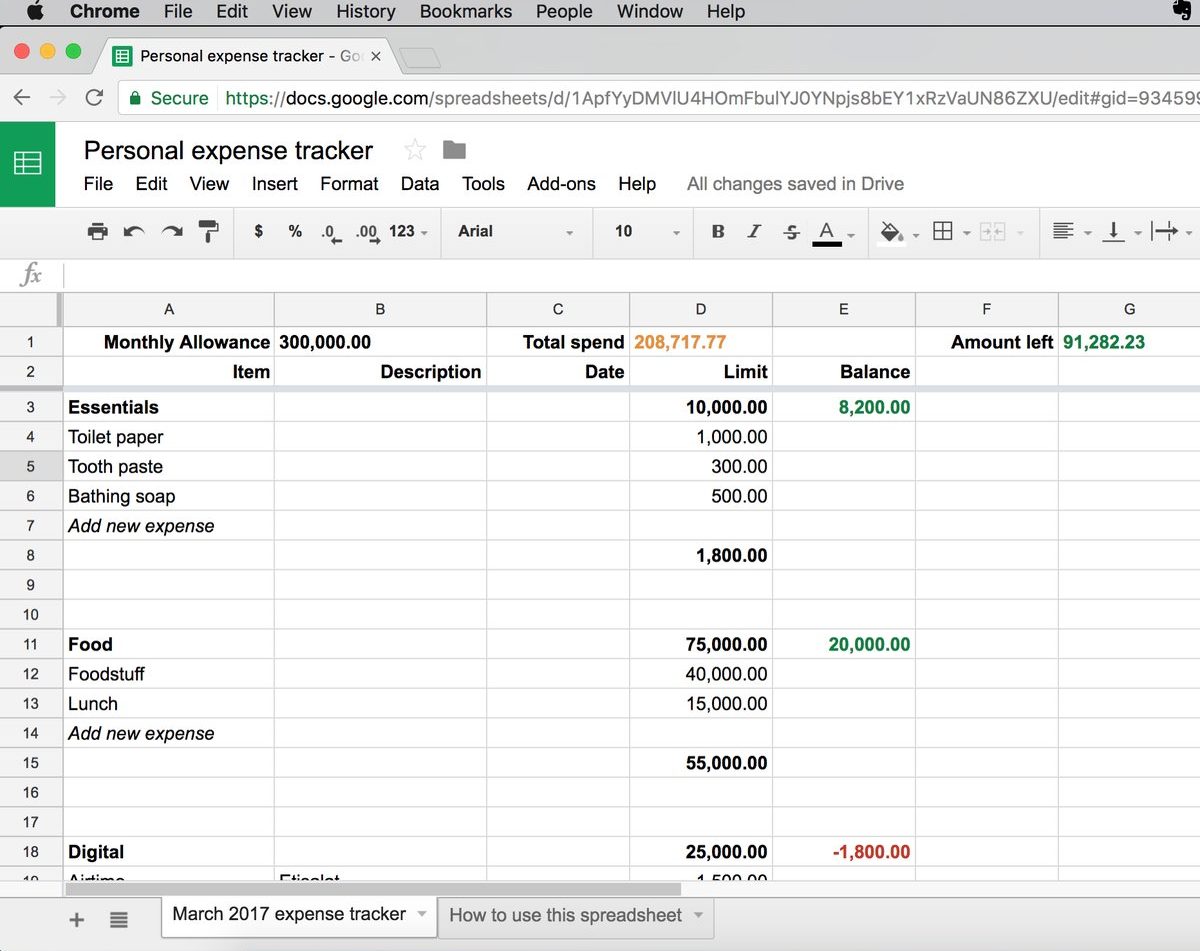 1200×951 heres simple personal expense tracker techcabal from techcabal.com
0 komentar:
Posting Komentar